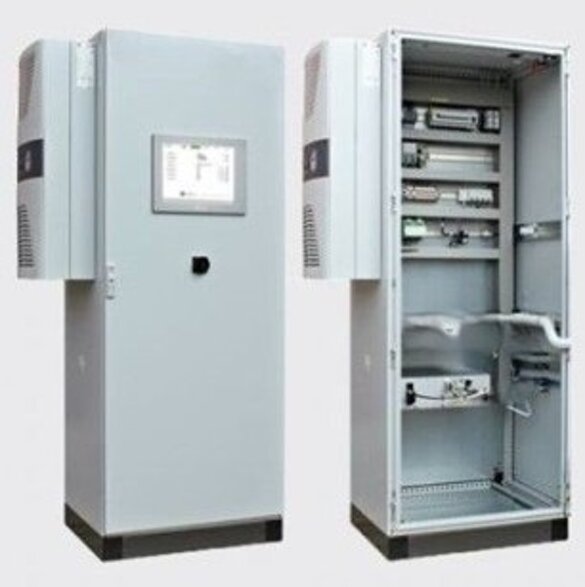
Sistemas de Monitoreo de Emisiones
Emission monitoring systems are tools and methodologies used to measure, record, and analyze emissions of atmospheric pollutants from various sources, such as industrial facilities, power plants, vehicles, and other human activities. These systems are crucial to ensure compliance with environmental regulations, protect public health, and reduce the environmental impact of human activities. Below is an overview of the main components and functions of these systems:
Sensors and Measuring Instruments: Devices that detect and quantify the concentrations of various pollutants, such as nitrogen oxides (NOx), sulfur dioxide (SO2), carbon monoxide (CO), particulate matter (PM), volatile organic compounds (VOC), and greenhouse gases (GHG) such as CO2 and methane (CH4).
Gas Analyzers: Instruments specifically designed to analyze the composition of emitted gases. They can operate through different principles, such as infrared (IR) spectroscopy, ultraviolet (UV) spectroscopy, and electrochemical analysis.
Data Management and Analysis Software: Programs that collect and process data from sensors and analyzers. This software can generate reports, analyze emission trends, and compare data with regulatory limits.
Sampling Systems: Devices that take samples of gases or particles from the emission for further analysis. They can be designed for continuous or periodic sampling.
Telemetry and Communication Systems: Technologies that transmit the data collected by the sensors to a remote control center. This allows real-time monitoring and rapid intervention in case emission limits are exceeded.
Calibration and Maintenance: Regular procedures to ensure that sensors and measuring instruments function correctly and provide accurate data. Calibration is often performed using reference gases with known concentrations of pollutants.
Applications of Emission Monitoring Systems
Industrial: Production plants, refineries, cement factories, and other industrial facilities that need to monitor emissions to comply with environmental regulations.
Energy: Fossil fuel power plants and other energy facilities that must monitor GHG emissions and other pollutants.
Transport: Monitoring vehicle emissions on the road, ships, and airplanes to reduce air pollution.
Environment: Environmental monitoring stations that detect levels of air pollution in different geographic areas to assess air quality.
Regulatory Compliance: Help companies and authorities verify compliance with environmental laws.
Public Health: Reduction of population exposure to harmful pollutants.
Environmental Protection: Contribute to reducing the environmental impact of human activities, promoting sustainable practices.
Operational Efficiency: Provide useful data to optimize industrial processes, reducing waste and improving energy efficiency.
In summary, emission monitoring systems are fundamental for the management and control of air pollution, providing crucial data for the protection of public health and the environment.
Benefits of Emission Monitoring Systems